Terrace Flooring Design Ideas for Indian Homes
 |
06 January 2026
|
06 January 2026

Terrace flooring design plays a key role in transforming an open terrace into a usable and attractive outdoor space. In Indian homes, terraces are often used for relaxation, gatherings, gardening, or utility purposes. Choosing the right flooring design not only improves appearance but also ensures durability against changing weather conditions.
This blog explains terrace flooring design ideas, suitable materials, practical tips, and factors to consider for Indian homes.
Why Terrace Flooring Design Is Important
A terrace is exposed to sun, rain, and dust throughout the year. Poor flooring choices can lead to water seepage, cracks, and frequent maintenance. Well-planned terrace flooring helps:
- Protect the structure from weather damage
- Improve safety with anti-slip surfaces
- Enhance the visual appeal of outdoor spaces
- Increase the usable area of the home
Good design balances style with long-term performance.
Popular Terrace Flooring Materials for Indian Homes
Different materials suit different needs, budgets, and design preferences.
Natural Stone Flooring
Natural stones like granite, sandstone, and slate are widely used for terraces. They are strong, weather-resistant, and suitable for Indian climatic conditions. Their natural texture also provides good grip.
Tile Flooring
Ceramic, vitrified, and outdoor tiles are popular for terrace flooring. Anti-skid tiles are especially recommended for safety during monsoons.
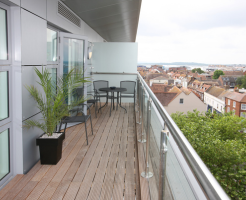
Wooden and Deck Flooring
These materials are designed to resist moisture and temperature changes when installed correctly.
Concrete and Cement Finish
Textured cement or patterned concrete flooring is a cost-effective and durable option. It works well for minimalist and functional terrace designs.
Weather-Resistant Terrace Flooring Tips
Indian weather demands flooring that can handle heat, rain, and humidity.
- Choose anti-slip surfaces to prevent accidents
- Ensure proper slope for water drainage
- Use waterproof coatings and sealants
- Avoid materials that absorb excessive moisture
These measures help extend the life of terrace flooring.
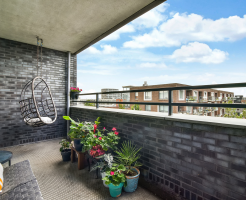
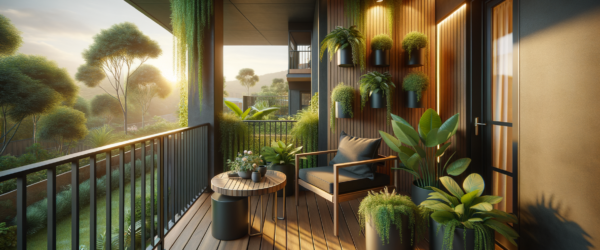
Enhancing Terrace Design with Green Elements
Terrace flooring looks more appealing when combined with greenery.
- Use planters and pots to add colour
- Create a small garden or seating corner
- Install vertical gardens along walls
- Combine flooring textures with natural elements
This creates a refreshing outdoor environment.
Budget Planning for Terrace Flooring
Terrace flooring costs vary depending on material and design.
- Budget-friendly options include cement finish and basic tiles
- Natural stone and decking cost more but last longer
- Installation and waterproofing should be included in the budget
Planning ahead helps avoid unnecessary expenses later.
FAQ
1. Which flooring is best for Indian terraces?
Natural stone and anti-skid tiles are commonly preferred due to durability.
2. Is terrace flooring waterproof?
Flooring itself is not fully waterproof; proper waterproofing layers are essential.
3. Can terrace flooring be done on old terraces?
Yes, after proper surface preparation and waterproofing.
4. How often does terrace flooring need maintenance?
Regular cleaning and periodic sealing help maintain quality.
Conclusion
A well-planned terrace flooring design can turn your terrace into a comfortable and stylish extension of your home. By choosing the right materials and layout, Indian homeowners can enjoy durable and attractive outdoor spaces. f you’re planning to build a new home or searching for properties that feature thoughtfully designed terraces, Zlendo Realty can help you find options that match contemporary outdoor living preferences and practical, modern design requirements.
Disclaimer
This information is shared purely for general guidance and awareness. Flooring materials, costs, and performance may vary based on location, installation quality, and usage conditions. Readers are advised to consult architects, builders, or flooring professionals before making final decisions.

A passionate content writer and digital marketer skilled in creating engaging, SEO-driven content that boosts online visibility and brand growth.