Parapet Wall Steel Design: 5 Smart Ideas for Safe, Sleek & Space-Efficient Roof Edges
 |
20 December 2025
|
20 December 2025

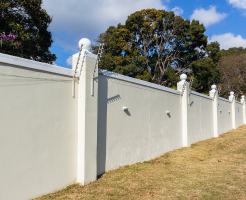
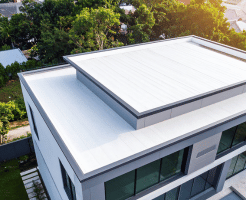
Parapet wall steel design has evolved far beyond bulky concrete edges. Today, slim steel profiles, mixed materials, and engineered connections are redefining how rooftops and terraces look and perform—especially in compact urban spaces where every inch matters. A well-designed steel parapet delivers safety, durability, and visual lightness without consuming valuable usable area.
Below are five proven steel parapet design approaches that balance structure, weather protection, and aesthetics—ideal for small roofs, balconies, and terraces.
1. Minimal Steel Coping with Hidden Drainage
This approach focuses on a clean parapet line while managing rainwater efficiently. Slim steel coping profiles with integrated drip edges and concealed drainage channels prevent staining and water damage.
Why it works:
- Keeps façades clean and reduces long-term maintenance
- Creates a sharp, modern roof edge without visual bulk
Design note: Galvanized steel with powder coating improves corrosion resistance, and thermal breaks at fixings help reduce condensation.
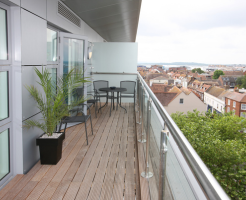
2. Steel-and-Glass Parapets for Light & Views
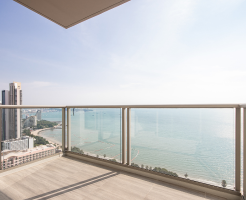
Combining steel framing with laminated glass infill panels is ideal when openness and daylight are priorities. Steel provides structural strength, while glass maintains views and wind control.
Why it works:
- Preserves skyline views on terraces and rooftops
- Meets guardrail safety requirements with minimal visual obstruction
Design note: Laminated tempered glass and carefully spaced steel posts help control deflection and wind loads.
3. Concealed Corner Bracing for Stability
Corners are the most vulnerable points in parapet systems. Hidden L-shaped steel bracing beneath coping or rails reinforces strength without changing the appearance.
Why it works:
- Improves stiffness and reduces vibration under wind pressure
- Maintains a lightweight visual profile
Design note: Corner zones experience higher wind loads—engineering checks based on wind standards are essential.
4. Perforated Steel Parapets for Privacy & Style
Perforated steel panels—especially weathering steel—serve as both safety barriers and design features. They soften wind, provide partial privacy, and add texture to rooftops.
Why it works:
- Allows airflow while acting as a visual screen
- Adds architectural character without solid mass
Design note: Control early rust run-off with proper drip detailing, and adjust perforation density for wind and light balance.
5. Modular Steel Parapet Systems for Retrofits
For existing buildings, modular steel parapet systems offer fast installation with minimal roof disruption. Posts, rails, and infills are bolted or clamped to structural edges.
Why it works:
- Ideal for renovations and occupied buildings
- Allows future upgrades or infill changes
Design note: Verify slab edge capacity and coordinate waterproofing details before installation.
Key Design & Safety Considerations
- Height: Most accessible roofs require a parapet or guard height of around 42 inches (confirm local codes)
- Wind loads: Steel parapets must be designed for edge and corner wind pressures
- Waterproofing: Proper sequencing of membranes, flashings, and fixings is critical
- Corrosion protection: Galvanizing, powder coating, or suitable steel selection ensures longevity
Why Steel Parapets Are Ideal for Small Roofs
Steel allows thinner sections with higher strength compared to masonry or concrete. This makes it perfect for compact terraces where safety, durability, and visual openness must coexist.
FAQs: Parapet Wall Steel Design
What is parapet wall steel design?
It refers to designing steel components—coping, posts, rails, panels, and anchors—that form the protective edge of a roof or terrace.
What is the recommended height for steel parapets?
Typically around 42 inches for occupiable roofs, depending on building use and local codes.
How are wind loads handled in steel parapets?
Wind pressure calculations guide the sizing of posts, rails, and anchor connections, especially at corners.
Which steel finish is best for parapets?
Hot-dip galvanized steel with powder coating is widely used; weathering steel suits specific climates.

A passionate content writer and digital marketer skilled in creating engaging, SEO-driven content that boosts online visibility and brand growth.