Motivational Gym Design Ideas for Home Workout Spaces
 |
25 February 2026
|
25 February 2026
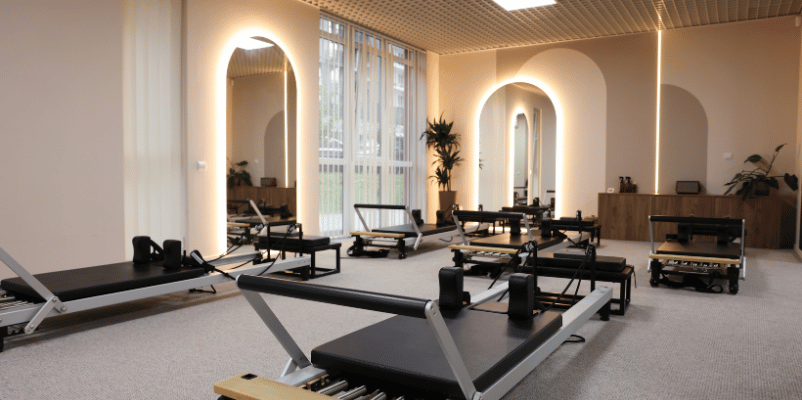
Creating a dedicated workout space at home has become an essential part of modern living. A thoughtfully planned fitness area not only supports physical health but also improves focus, consistency, and motivation. With the right gym design ideas, even a small corner of your home can transform into an inspiring workout environment that encourages daily movement and wellness.
Whether you have a spare room, balcony space, or garage area, smart design choices can help you build a functional and energizing home gym that suits your lifestyle.
Why Good Gym Design Matters
A well-designed home gym goes beyond equipment placement. The right layout, lighting, colors, and materials can influence mood and performance.
Benefits of a Smart Gym Design:
- Encourages regular workouts and discipline
- Improves safety and organization
- Maximizes small spaces efficiently
- Enhances comfort and airflow
- Reduces distractions during exercise
Designing a motivating environment helps turn fitness into a long-term habit rather than a temporary routine.
1. Choose the Right Location
Selecting the correct space is the first step in creating a successful home gym.
Ideal Locations:
- Spare bedroom
- Balcony or terrace area
- Garage conversion
- Basement or study room
Choose a space with natural ventilation and enough room for stretching or movement exercises.
Tip:
Avoid areas with heavy foot traffic to maintain focus during workouts.
2. Smart Space Planning for Maximum Efficiency
Not every home has a large area for fitness equipment. Smart layouts ensure functionality even in compact spaces.
Space Planning Ideas:
- Use wall-mounted racks or foldable equipment.
- Keep cardio and strength zones separate if possible.
- Maintain clear walking space for safety.
Mirrors can visually expand the room while helping monitor posture during workouts.
3. Motivational Wall Design Concepts
Walls play a major role in creating energy within a workout space.
Popular Ideas:
- Motivational quote decals or typography art.
- Textured wall panels for a premium look.
- Accent paint colors like deep blue, charcoal grey, or energetic orange.
A strong visual focus keeps workouts engaging and mentally stimulating.
4. Flooring That Supports Performance
Flooring is one of the most important elements of gym design ideas because it affects comfort and injury prevention.
Recommended Flooring Options:
- Rubber flooring for shock absorption.
- EVA foam mats for yoga and stretching.
- Vinyl flooring for easy maintenance.
Proper flooring protects joints while also safeguarding your home surfaces.
5. Lighting for Energy and Focus
Lighting directly impacts motivation levels and safety.
Best Lighting Choices:
- Natural sunlight for morning workouts.
- LED panel lights for uniform brightness.
- Warm accent lighting for yoga or meditation zones.
Avoid dim spaces as they can reduce energy levels.
6. Storage Solutions for a Clutter-Free Gym
Organized spaces improve concentration and safety.
Storage Ideas:
- Wall-mounted shelves for dumbbells.
- Vertical racks for resistance bands.
- Storage benches for mats and accessories.
Keeping equipment accessible encourages regular use.
7. Mirror Placement for Functionality
Mirrors are not just decorative additions.
Benefits:
- Help monitor posture and exercise form.
- Make small gyms appear larger.
- Reflect light and brighten interiors.
Full-length mirrors work best for strength or functional training spaces.
8. Ventilation and Airflow Planning
Proper airflow keeps workouts comfortable and hygienic.
Consider:
- Windows for cross ventilation.
- Exhaust fans in enclosed rooms.
- Air purifiers for improved air quality.
Fresh air reduces fatigue during intense workouts.
9. Add Technology for Motivation
Modern gym design ideas often integrate smart technology.
Useful Additions:
- Wall-mounted screens for workout videos.
- Bluetooth speakers for music motivation.
- Smart lighting controls.
Technology helps replicate a professional gym experience at home.
10. Personalize Your Workout Environment
The best home gym reflects personal goals and preferences.
Personal Touches:
- Indoor plants for freshness.
- Fitness achievements or progress boards.
- Minimal décor to reduce distractions.
Creating emotional connection with the space increases long-term consistency.
Frequently Asked Questions (FAQ)
1. What is the minimum space required for a home gym?
A compact workout area can be created in as little as 50–70 square feet depending on equipment needs.
2. Which flooring is best for home gyms?
Rubber flooring or foam mats are preferred because they provide cushioning and protect surfaces.
3. Can a balcony be converted into a gym?
Yes, with proper weather protection, flooring, and ventilation, balconies can become effective workout areas.
4. What colors are best for gym interiors?
Neutral shades with energetic accents like blue, red, or orange help maintain motivation.
5. Is natural light necessary for a home gym?
Natural light improves mood and energy levels, but good artificial lighting can also work effectively.
Conclusion
Designing a home workout space is about combining motivation with practicality. The right gym design ideas focus on comfort, organization, lighting, and personalization to create an environment that supports both physical fitness and mental well-being. Whether you build a compact fitness corner or a full-scale gym room, thoughtful planning ensures consistency and enjoyment in your fitness journey.
With smart visualization and planning solutions from Zlendo Realty, homeowners can explore layout options, optimize space usage, and design functional interiors before implementation. Investing in a well-designed home gym today creates healthier living habits for years to come.
Disclaimer
This blog is intended for informational and inspirational purposes only. Gym design choices, materials, equipment placement, and safety requirements may vary depending on available space, structural conditions, and individual fitness needs. Always consult professional designers, contractors, or fitness experts before making structural changes or installing heavy equipment in residential spaces.

A passionate content writer and digital marketer skilled in creating engaging, SEO-driven content that boosts online visibility and brand growth.