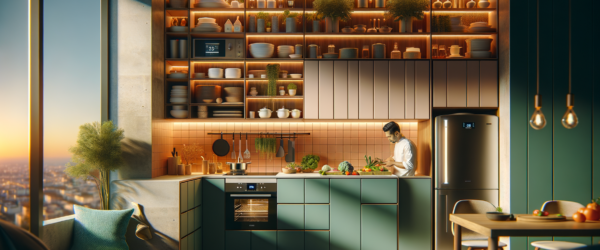
Modular Kitchen Budget Planning & Cost Guide for 2025
 |
31 December 2025
|
31 December 2025

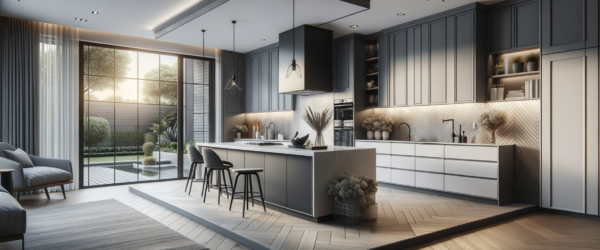
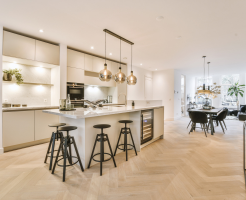
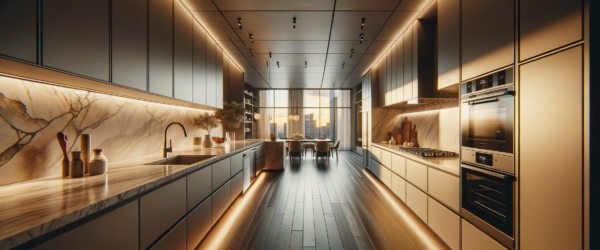
Planning a modular kitchen in 2025 requires thoughtful budgeting that aligns visual appeal with everyday practicality. With evolving materials, smarter storage innovations, and seamless appliance integration, modular kitchens have become a long-term solution for modern households. A well-defined budget helps you make informed decisions, avoid unnecessary expenses, and create a kitchen that remains efficient and durable over time.
This guide walks you through modular kitchen cost components, budget ranges, influencing factors, and practical planning tips to help you design confidently.
Understanding Modular Kitchen Cost Breakdown
Knowing where expenses are allocated makes kitchen planning more transparent and manageable.
Cabinet Structure and Finish Options
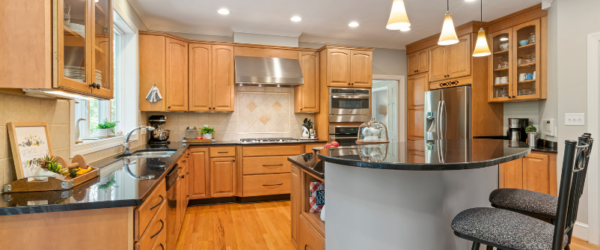
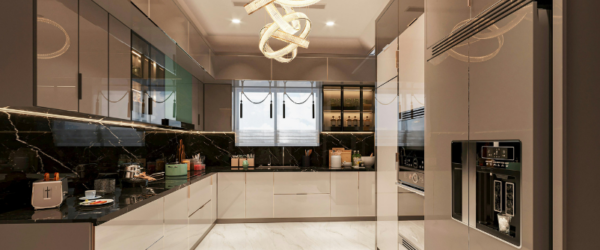
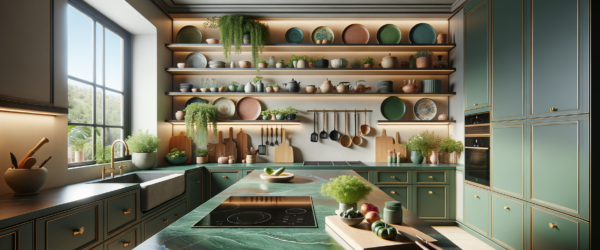
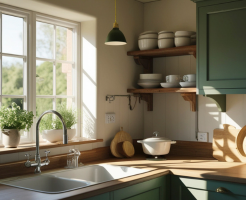
Cabinets form the foundation of a modular kitchen. Pricing depends on the core material used, such as plywood, MDF, or engineered boards, as well as exterior finishes like laminate, acrylic, or PU paint. Selecting high-quality materials improves moisture resistance, load-bearing strength, and overall lifespan.
Countertop Selection
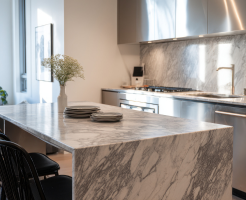
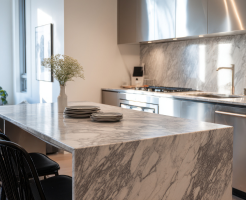
Countertop costs vary based on materials such as granite, quartz, or composite stone. An ideal countertop should withstand heat, spills, and daily usage while maintaining its surface quality over the years.
Hardware and Storage Mechanisms
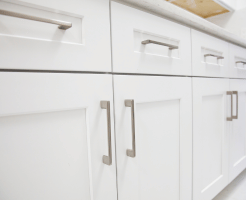
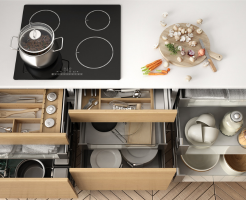
Hardware components such as soft-close hinges, drawer channels, pull-out baskets, corner units, and tall storage systems significantly affect kitchen usability. Premium hardware ensures smooth operation and reduces frequent repairs or replacements.
Built-in Kitchen Appliances
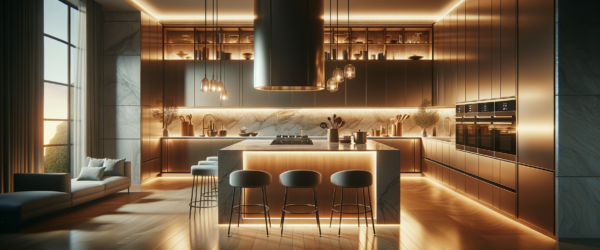
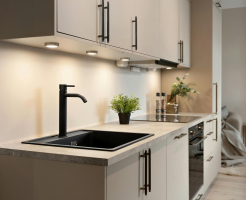
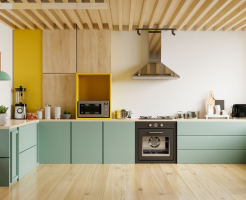
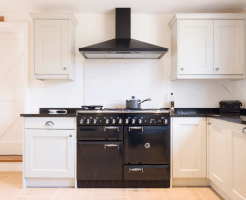
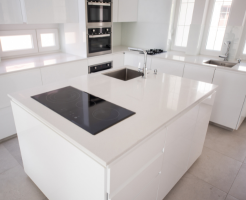
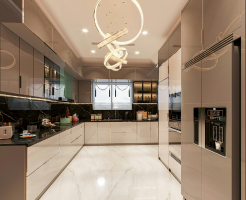
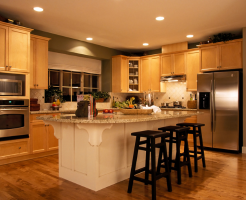
Many modern modular kitchens include appliances designed to integrate neatly into the cabinetry. Built-in hobs, chimneys, ovens, dishwashers, and microwave units enhance workflow efficiency while contributing to the overall budget.
Installation and Labour Charges
Professional installation is essential for accurate fitting and a clean finish. Labour costs depend on the kitchen layout, size, design complexity, and customization level.
Modular Kitchen Budget Categories in 2025
Based on materials and features, modular kitchens generally fall into three segments:
Basic kitchens: Functional layouts with standard finishes, suitable for compact homes or budget-conscious projects
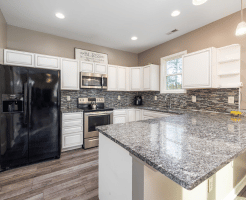
Mid-range kitchens: Improved materials, organized storage, and upgraded fittings for daily comfort
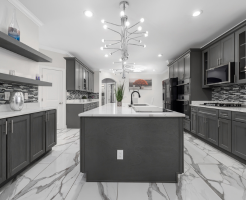
Premium kitchens: High-end finishes, smart storage planning, and fully integrated appliances designed for long-term use
Selecting the right category depends on lifestyle needs, usage frequency, and durability expectations.
Factors That Influence Modular Kitchen Pricing
Kitchen size and layout type (straight, L-shaped, U-shaped, parallel, or island)
Choice of cabinet core material and surface finish
Brand and quality of hardware fittings
Level of customization and storage design
Number and type of integrated appliances
Being aware of these factors helps prevent cost overruns during execution.
Smart Budget Planning Tips for Modular Kitchens
Finalize layout and storage needs before approving designs
Prioritize durability and usability over short-term design trends
Balance premium features with cost-effective material choices
Compare detailed quotations from multiple vendors
Avoid changes once manufacturing or installation has started
Careful planning reduces delays, rework, and unexpected expenses.
Common Modular Kitchen Budget Mistakes
Many homeowners exceed their budget due to:
Ignoring installation and accessory costs
Choosing style over daily functionality
Overlooking maintenance and long-term durability
Skipping professional design guidance
Avoiding these mistakes ensures smoother execution and better value for money.
Frequently Asked Questions
1. Are modular kitchens expensive in 2025?
Costs vary based on materials and design choices, but modular kitchens provide long-term value through durability, organized storage, and ease of maintenance.
2. Can I build a modular kitchen within a fixed budget?
Yes. Modular kitchens offer flexible configurations and material options suitable for different budget ranges.
3. How long does modular kitchen installation take?
Installation usually takes a few weeks, depending on design complexity, site readiness, and material availability.
Conclusion
A modular kitchen is a long-term investment that should balance cost efficiency, functionality, and everyday comfort. With structured budget planning and professional guidance, you can design a kitchen that supports your lifestyle while enhancing your home’s value.
Zlendo Realty offers expert consultation, transparent pricing, and customized modular kitchen solutions designed to suit varied budgets and preferences. Connect with Zlendo Realty to plan a kitchen that aligns perfectly with your financial goals and design expectations.
Disclaimer
This article is intended for general informational purposes only and does not constitute professional design, construction, or financial advice. Modular kitchen costs may vary depending on location, material availability, and individual design requirements. Readers are advised to consult qualified professionals before making final decisions.

A passionate content writer and digital marketer skilled in creating engaging, SEO-driven content that boosts online visibility and brand growth.