High-Rise Residential Building Design: Advantages, Disadvantages, and Expert Design Tips
As urban populations continue to grow, high-rise residential buildings have become a preferred housing solution in cities worldwide. These vertical communities maximize land utilization, accommodate more residents, and offer modern amenities that enhance urban living. However, high-rise developments also come with unique challenges that developers, architects, and homebuyers should carefully consider.
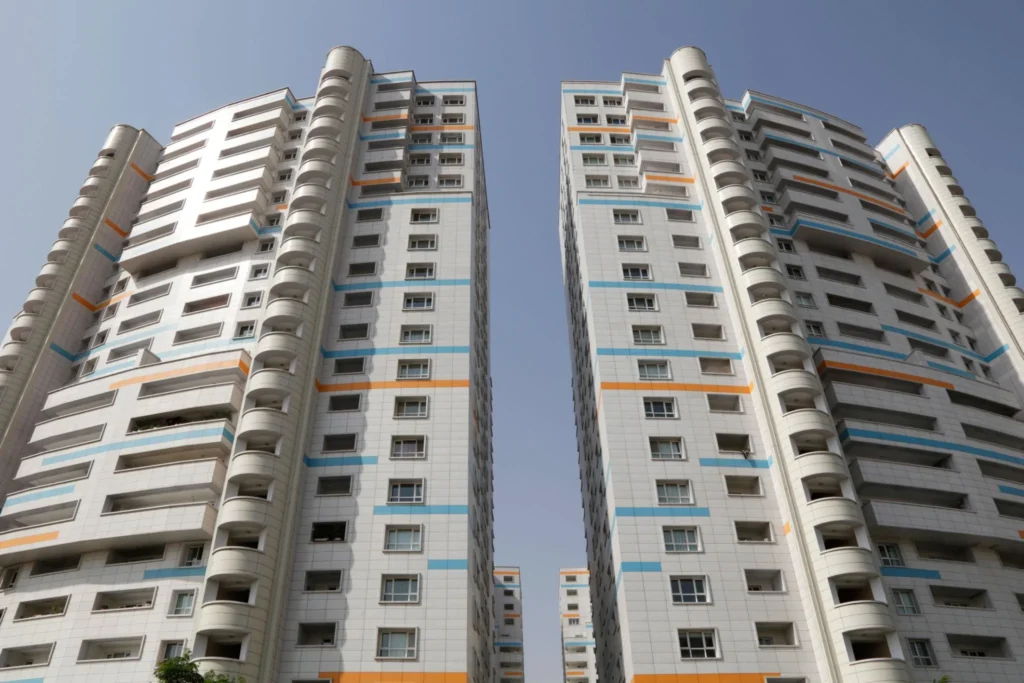
This guide explores high-rise residential building design, its advantages and disadvantages, compares high-rise housing with villa-style developments, and provides practical design tips for successful projects.
What Is a High-Rise Residential Building?
A high-rise residential building is a multi-story structure designed primarily for housing. While definitions vary by region, buildings exceeding 7–10 floors are generally considered high-rise developments.
These buildings often include:
- Apartments and condominiums
- Shared recreational spaces
- Elevators and vertical transportation systems
- Parking facilities
- Security systems
- Community amenities such as gyms, gardens, and clubhouses
Modern high-rise buildings focus on maximizing space efficiency while providing comfort, safety, and sustainability.
High-Rise Residential Building Design
Successful high-rise residential design requires balancing functionality, aesthetics, safety, and resident experience.
Key Design Elements
1. Efficient Floor Planning
- Optimize unit layouts for natural lighting and ventilation.
- Minimize wasted circulation space.
- Ensure privacy between neighboring units.
2. Structural Stability
- Design for wind loads and seismic activity.
- Utilize reinforced concrete, steel structures, or hybrid systems.
- Incorporate advanced foundation engineering.
3. Vertical Transportation
- Strategically place elevators and service lifts.
- Reduce waiting times during peak hours.
- Ensure accessibility for all residents.
4. Sustainability Features
- Energy-efficient lighting systems.
- Rainwater harvesting.
- Solar energy integration.
- Smart building management systems.
5. Safety and Fire Protection
- Fire-resistant materials.
- Emergency exits and stairwells.
- Smoke detection and suppression systems.
- Compliance with local building regulations.
6. Resident Amenities
- Rooftop gardens
- Fitness centers
- Children’s play areas
- Community lounges
- Swimming pools
Advantages of High-Rise Residential Buildings
1. Efficient Land Utilization
High-rise buildings accommodate more residents on smaller land parcels, making them ideal for densely populated cities.
2. Better Urban Infrastructure Access
Residents typically enjoy proximity to:
- Public transportation
- Schools
- Hospitals
- Shopping centers
- Business districts
3. Enhanced Views
Higher floors often provide:
- Scenic city views
- Better daylight exposure
- Reduced street-level noise
4. Community Amenities
Modern developments frequently offer premium facilities unavailable in traditional housing communities.
5. Improved Security
Most high-rise communities include:
- CCTV surveillance
- Controlled access systems
- Security personnel
- Visitor management systems
6. Lower Land Cost Per Unit
The land cost is distributed among more units, potentially improving affordability.
Disadvantages of High-Rise Residential Buildings
1. Higher Construction Costs
Developers face increased expenses for:
- Structural engineering
- Elevator systems
- Fire safety infrastructure
- Mechanical and electrical services
2. Dependence on Elevators
Residents rely heavily on elevators for daily movement, particularly in taller buildings.
3. Maintenance Expenses
Ongoing costs include:
- Elevator maintenance
- Building façade cleaning
- Common area management
- Security systems
4. Limited Private Outdoor Space
Most units have balconies but lack private gardens or yards.
5. Emergency Evacuation Challenges
Tall buildings require comprehensive evacuation planning during emergencies.
6. Reduced Personalization
Apartment owners often face restrictions on exterior modifications.
Comparison Table: High-Rise Housing vs. Villa (Low-Rise) Housing
| Feature | High-Rise Housing | Villa (Low-Rise) Housing |
| Land Usage | Highly efficient | Requires larger land area |
| Construction Density | High | Low |
| Privacy | Moderate | High |
| Outdoor Space | Limited | Private gardens/yards |
| Amenities | Shared community facilities | Individual amenities |
| Security | Centralized security systems | Individual security management |
| Infrastructure Access | Usually excellent | Depends on location |
| Maintenance | Managed by association | Owner responsibility |
| Cost Per Land Area | Lower | Higher |
| Community Living | Strong | Less communal |
| Expansion Flexibility | Limited | Easier to expand |
| Views | Excellent on upper floors | Limited by height |
Developer Perspective: High-Rise vs. Villa Projects
Developers evaluate multiple factors when choosing between high-rise and villa developments.
High-Rise Projects
Advantages for Developers
- Higher unit density
- Greater revenue potential per land parcel
- Better utilization of premium urban land
- Strong demand in metropolitan areas
Challenges
- Complex approvals and regulations
- Higher upfront investment
- Longer construction timelines
- Advanced engineering requirements
Villa Projects
Advantages for Developers
- Simpler construction processes
- Faster project execution
- Greater customization opportunities
- Lower technical complexity
Challenges
- Larger land requirements
- Lower density and sales volume
- Higher infrastructure costs per unit
- Limited scalability in urban centers
High-Rise Residential Building Design Tips and Tricks
1. Prioritize Natural Light
Design units with large windows and optimal building orientation to maximize daylight penetration.
2. Improve Ventilation
Cross-ventilation strategies improve indoor comfort and reduce energy consumption.
3. Optimize Core Placement
Efficient placement of elevators, staircases, and service shafts improves floor efficiency.
4. Design Flexible Unit Layouts
Provide adaptable spaces that can accommodate changing residents’ needs.
5. Incorporate Green Spaces
Add:
- Sky gardens
- Rooftop terraces
- Landscaped podiums
- Vertical greenery
6. Focus on Sustainability
Integrate:
- Solar panels
- Smart lighting controls
- Water recycling systems
- Energy-efficient HVAC systems
7. Enhance Acoustic Comfort
Use sound-insulating materials to reduce noise transfer between units.
8. Plan for Future Technologies
Design infrastructure to support:
- Smart home systems
- EV charging stations
- Building automation platforms
- High-speed internet connectivity
9. Ensure Regulatory Compliance
Stay updated with local building codes, fire regulations, accessibility standards, and environmental requirements.
10. Create Community Spaces
Well-designed social areas encourage resident engagement and improve overall living experiences.
Designing High-Rise Projects for Future Growth
High-rise residential buildings are a practical solution for accommodating growing urban populations while maximizing land efficiency. They offer modern amenities, enhanced security, and convenient access to city infrastructure. However, developers and residents must also consider challenges such as higher construction costs, maintenance requirements, and limited private outdoor space.
By implementing smart design strategies, sustainable technologies, and resident-focused planning, developers can create successful high-rise communities that deliver long-term value while meeting the evolving needs of modern urban living.

A passionate content writer and digital marketer skilled in creating engaging, SEO-driven content that boosts online visibility and brand growth.