Difference Between Ceramic and Vitrified Tiles: A Complete Guide for Homeowners
 |
06 January 2026
|
06 January 2026

Choosing the right tiles plays a major role in defining the comfort, durability, and appearance of your home. Among the most commonly used flooring options, ceramic tiles and vitrified tiles often create confusion for buyers. While both are popular, they differ in material composition, strength, maintenance needs, and suitability for different spaces.
This complete guide explains the difference between ceramic and vitrified tiles in clear, simple terms to help you make an informed decision.
What Are Ceramic Tiles?
They usually feature a glazed top layer that enhances appearance with color and patterns while providing aprotective finish.
Key features of ceramic tiles:
- Made from natural clay materials
- Slightly porous in structure
- Suitable for walls and low-traffic floors
- Available in decorative and traditional designs
- Easy to cut, install, and replace
Ceramic tiles are commonly used in bedrooms, bathrooms (especially walls), and areas where heavy foot traffic is limited.
What Are Vitrified Tiles?
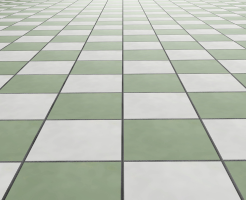
Vitrified tiles are produced by combining clay with silica and other minerals, then heating the mixture at extremely high temperatures. This process creates a dense, glass-like surface with very low water absorption.
Key features of vitrified tiles:
- Strong and highly durable
- Non-porous and moisture-resistant
- Resistant to stains and scratches
- Uniform finish and modern appearance
- Ideal for high-traffic areas
Durability and Maintenance Comparison
Durability is one of the biggest differences between ceramic and vitrified tiles.
- Vitrified tiles are extremely durable and can handle heavy foot traffic without losing their finish.
- Ceramic tiles are durable for normal use but may chip or crack under heavy impact. They may require periodic sealing to maintain their surface.
For busy households or long-term use, vitrified tiles are usually the better option.
Appearance and Design Options
Both tile types offer a wide range of designs, but their visual impact varies.
- Ceramic tiles They create a rich, traditional appeal and are commonly selected for decorative designs and timeless interior styles.
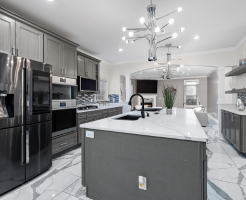
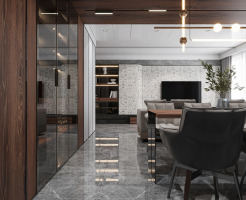
- Vitrified tiles offer a smooth, contemporary look and are designed to mimic the finish of natural materials such as marble, granite, or wood.
Your interior design theme should guide this choice.
Cost and Long-Term Value
- Ceramic tiles are generally more affordable initially, making them suitable for budget-focused projects.
- Vitrified tiles have a higher upfront cost, but their durability and low maintenance make them cost-effective over time.
Choosing between the two depends on whether you prioritize short-term savings or long-term performance.
Best Areas to Use Ceramic and Vitrified Tiles
| Area | Recommended Tile |
| Bedrooms | Ceramic or vitrified |
| Living rooms | Vitrified |
| Kitchens | Vitrified |
| Bathrooms | Vitrified |
| Wall cladding | Ceramic |
| Commercial spaces | Vitrified |
Tips for Picking the Perfect Tiles for Your Living Space
Before finalizing your tile selection, consider:
- Foot traffic in the area
- Exposure to moisture or spills
- Interior style preferences
- Maintenance requirements
- Overall budget
Balancing function with aesthetics ensures a practical and attractive result.
FAQ
1. What is the main difference between ceramic and vitrified tiles?
Ceramic tiles are more porous and suitable for light use, while vitrified tiles are denser, stronger, and less absorbent.
2. Which tile is better for high-traffic areas?
Vitrified tiles are better for high-traffic areas due to their strength and resistance to wear.
3. Are ceramic tiles suitable for bathrooms?
Ceramic tiles work well for bathroom walls, but vitrified tiles are preferred for bathroom floors.
4. Do vitrified tiles need sealing?
No, vitrified tiles do not require sealing because of their non-porous surface.
5. Which tile is easier to maintain?
Vitrified tiles are easier to clean and maintain compared to ceramic tiles.
6. Are vitrified tiles more expensive?
Yes, they usually cost more initially but offer better long-term value.
7. Can ceramic tiles crack easily?
They can crack under heavy impact or pressure, especially in high-use areas.
Conclusion
Understanding the difference between ceramic and vitrified tiles helps you select flooring that suits both your lifestyle and design goals. Ceramic tiles are ideal for decorative and low-usage spaces, while vitrified tiles are best for durability and modern living. If you are planning a new home or exploring properties with quality finishes, Zlendo Realty can help you find spaces that align with your flooring preferences and long-term needs.
Disclaimer
This article is intended for informational purposes only. Tile quality, pricing, and performance may vary based on brand, installation method, and usage conditions. Readers are advised to consult architects, interior designers, or construction professionals before making final material decisions.

A passionate content writer and digital marketer skilled in creating engaging, SEO-driven content that boosts online visibility and brand growth.