Plinth Wall Explained: Purpose, Benefits, Materials, and Design Basics
 |
17 December 2025
|
17 December 2025

A plinth wall is a crucial structural component in building construction, located between the foundation and the main walls. Although it is not always visible, it plays a vital role in protecting the structure from moisture, soil movement, and long-term damage. Understanding the importance of a plinth wall helps ensure a strong and durable building.
What Is a Plinth Wall?
A plinth wall is a low wall built just above ground level and below the superstructure. Its primary purpose is to elevate the building slightly, reducing direct contact with soil and surface water. This layer acts as a protective barrier for the main walls.
Importance of a Plinth Wall
The plinth wall helps distribute the building load evenly and prevents dampness from rising into the walls. In regions with heavy rainfall or varying soil conditions, it significantly improves structural stability and longevity.
Benefits of a Plinth Wall
- Enhances structural strength
- Prevents moisture and water seepage
- Reduces effects of ground settlement
- Improves the building’s overall elevation and appearance
Materials Used for Plinth Walls
Common materials include:
- Concrete for high strength and durability
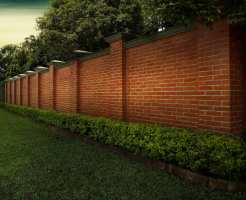
- Brick masonry for economical construction
- Stone masonry for long-lasting performance
The choice depends on soil conditions, budget, and design requirements.
Plinth Wall Design Considerations
Designing a plinth wall requires careful evaluation of soil type, moisture levels, and load capacity. Proper waterproofing and drainage must be included to avoid water accumulation. During early planning stages, architects often use a room planner to visualize floor levels and ensure the plinth height aligns well with the interior layout.
FAQs
What is the main function of a plinth wall?
It supports the building structure and protects walls from moisture and ground pressure.
Is a plinth wall mandatory for all buildings?
While not always mandatory, it is highly recommended for durability and moisture protection.
Which material is best for a plinth wall?
Concrete is widely preferred due to its strength, but brick and stone are also commonly used.

A passionate content writer and digital marketer skilled in creating engaging, SEO-driven content that boosts online visibility and brand growth.