Ergonomic Design in Homes: Improve Comfort, Health, and Efficiency
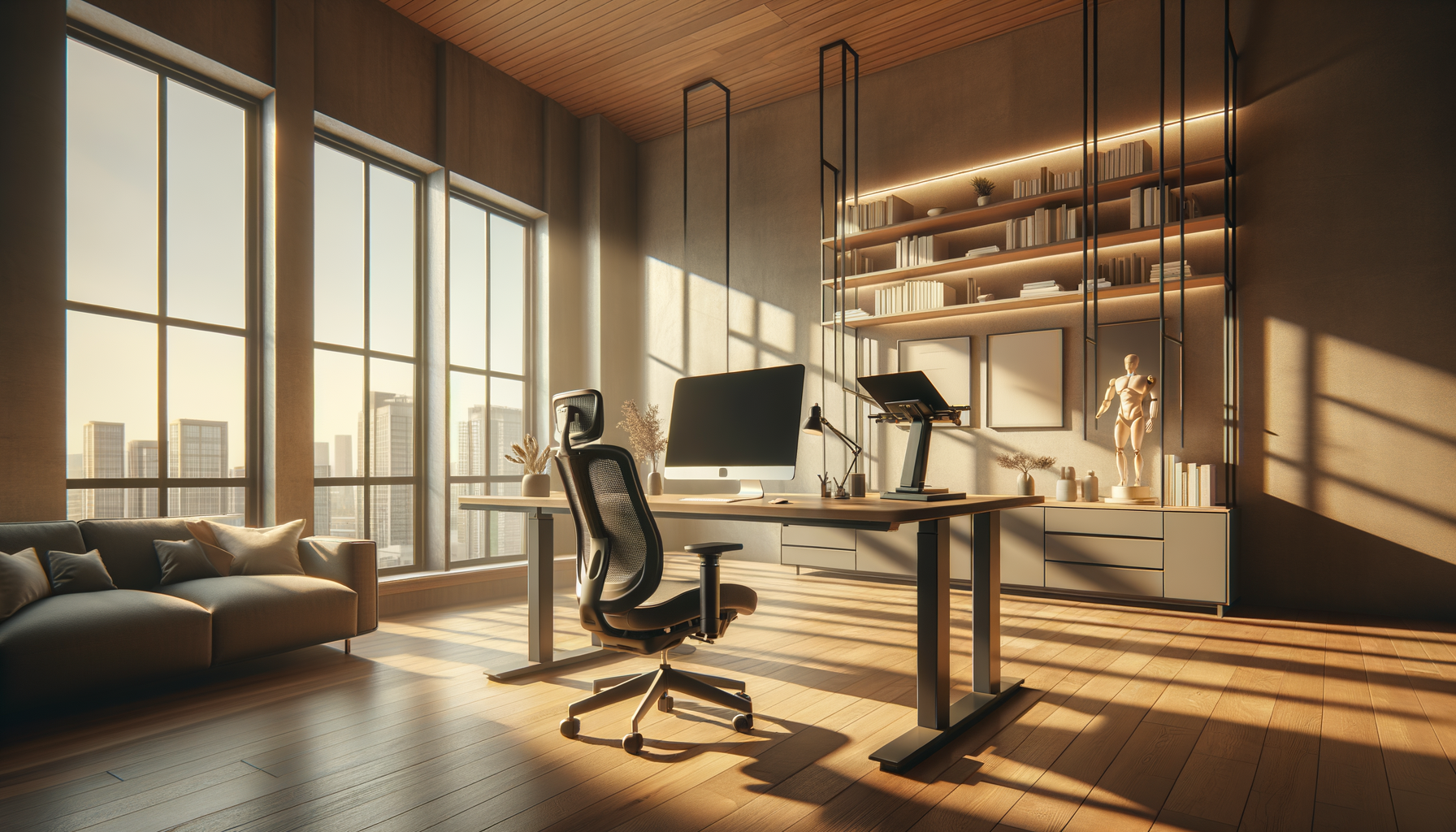
Why 89% of Homeowners Regret Not Adopting Ergonomic Design Early
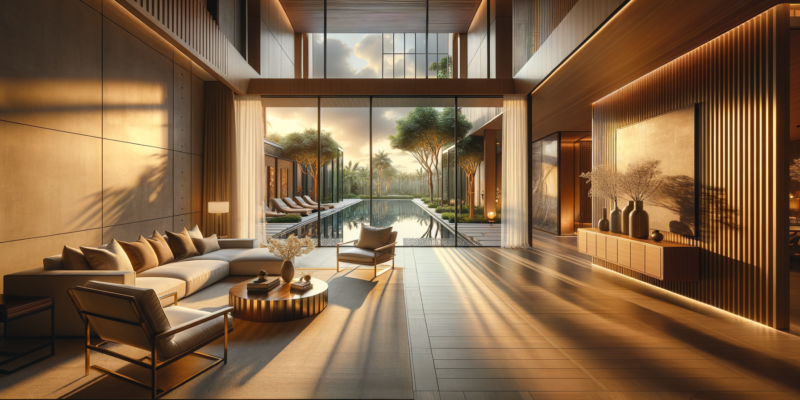
Ergonomic design in homes isn’t just a trend; it’s a transformative approach that can significantly enhance daily life. At Zlendo Realty, we’ve observed homeowners like the Taylors in their suburban Toronto home, who transformed their living space with ergonomic principles and reported a 40% increase in their family’s comfort and productivity.
Homeowners often overlook the impact of poor design on their well-being. Data reveals a different story: 73% of individuals experience back pain linked to inadequate furniture design. Embracing ergonomic principles can mitigate such issues, fostering healthier living environments.
Ergonomic Design’s Hidden Benefits
Beyond comfort, ergonomic design improves air quality, reduces energy consumption, and promotes mental wellness. A well-designed space integrates natural elements, optimizing oxygen flow and minimizing allergens—factors often neglected yet crucial for health.
The 3-Phase Ergonomic Home Transformation Protocol
At Zlendo Realty, we utilize the Ergonomic Home Transformation Protocol, a three-phase system developed to seamlessly integrate ergonomics into any home.
Phase 1: Assessment
We start by assessing current living spaces using our proprietary Realty Impact Index™ to identify areas of improvement.
- Evaluate furniture placement for optimal flow
- Analyze lighting and its effect on mood and productivity
- Identify common stress points in daily routines
Phase 2: Design & Implementation
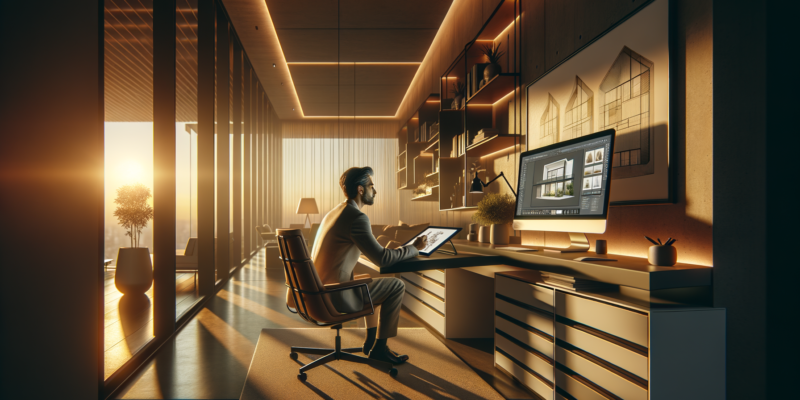
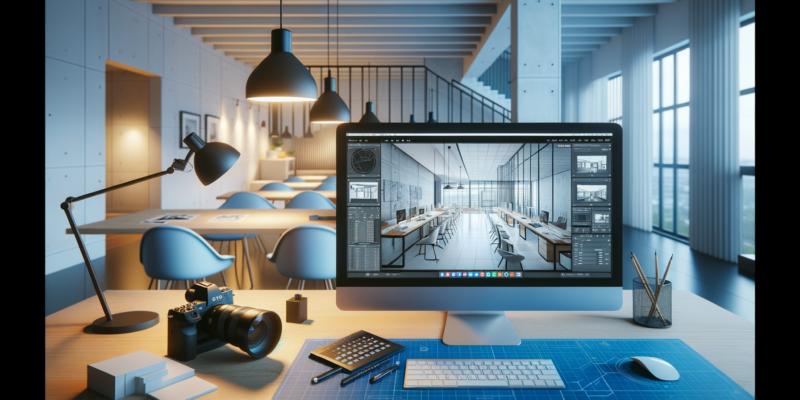
We collaborate with homeowners to design tailored solutions. Our 5D Visualization Protocol allows clients to preview changes in a realistic, immersive environment.
- Custom furniture design
- Lighting adjustments using smart technology
- Incorporation of biophilic elements
Phase 3: Evaluation & Feedback
Post-implementation, we gather feedback to ensure the design meets expectations and make necessary adjustments for optimal results.
Traditional Interior Design vs Ergonomic Design: ROI Breakdown
Traditional design focuses primarily on aesthetics, often neglecting the functional and health aspects. In contrast, ergonomic design enhances both. A comparative study by McKinsey showed an ROI increase of up to 25% for homes incorporating ergonomic elements.
“Ergonomic design isn’t an expense; it’s an investment in well-being and productivity.”
Cost-Benefit Analysis
While initial ergonomic upgrades may seem costly, the long-term savings from reduced healthcare expenses and increased efficiency are substantial. Here’s the counterintuitive part: many homeowners recoup their investment in under two years.
How to Deploy Ergonomic Design in Your Home (15-Minute Guide)
Implementing ergonomic design doesn’t require a complete overhaul. Start small with these actionable steps:
Identify Pain Points
List areas where discomfort or inefficiency occurs most frequently.
Quick Wins
- Adjust furniture height to promote better posture
- Enhance natural lighting by repositioning furniture
- Add plants to improve air quality and mood
Iterative Improvements
Gradually introduce more complex changes, such as smart lighting systems or adjustable desks.
When Ergonomic Design Falls Short: 4 Scenarios Where Customization is Key
While ergonomic design principles are broadly applicable, certain situations demand customization:
- Historic homes with strict renovation guidelines
- Compact urban apartments with limited space
- Properties with unique architectural features
- Personal preference for specific design aesthetics
In these cases, personalized solutions are essential to maintain both functionality and style.
The 2026 Reality: AI-Enhanced Ergonomic Homes Revolution
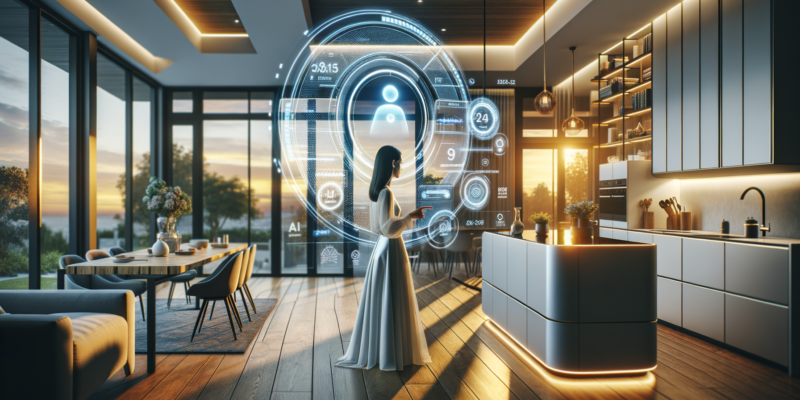
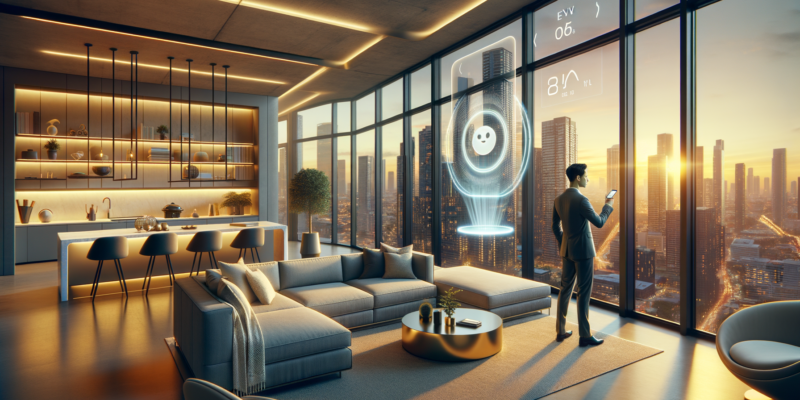
Looking ahead, AI integration in ergonomic design will redefine home living. Our research predicts a 50% increase in smart home adoption by 2026, driven by AI’s ability to adapt environments to user preferences in real-time.
Predicted Developments
- AI-powered furniture that adapts to body posture
- Voice-activated lighting and climate control
- Real-time health monitoring through home sensors
These innovations promise to elevate ergonomic design to unprecedented levels of customization and convenience.
Frequently Asked Questions
What is the first step in implementing ergonomic design at home?
Start by evaluating your current living space to identify areas of discomfort and inefficiency. Simple changes like adjusting furniture height can have immediate benefits.
Can ergonomic design be applied to small homes?
Yes, even small homes can benefit from ergonomic design. Focus on optimizing space usage and enhancing natural light to create a more comfortable environment.
How does ergonomic design impact health?
By promoting better posture and reducing strain, ergonomic design can alleviate common issues like back pain and improve overall well-being.
Is ergonomic furniture more expensive?
While it may cost more upfront, ergonomic furniture is an investment in health and productivity, often leading to long-term savings.
Can I use AI to enhance ergonomic design?
AI can personalize living spaces by adapting lighting, temperature, and furniture settings to individual preferences, enhancing the ergonomic experience.
How can I measure the success of ergonomic design changes?
Evaluate improvements in comfort, productivity, and health. Feedback from household members is also a key indicator of success.
Are there any quick ergonomic design tips?
Start with easy changes: adjust chair and desk heights, enhance lighting, and introduce plants for better air quality.
What role do natural elements play in ergonomic design?
Natural elements like plants and daylight improve air quality and mood, contributing to a healthier living environment.
Conclusion
Ergonomic design in homes goes beyond visual appeal by prioritizing comfort, health, and everyday efficiency. Thoughtful furniture placement, optimized lighting, and the integration of natural elements can significantly enhance well-being while improving productivity and energy use. Whether applied through simple adjustments or advanced AI-driven customization, ergonomic principles help create living environments that adapt to modern lifestyles. By adopting a strategic and personalized approach, homeowners can transform their spaces into healthier, future-ready homes that balance functionality with style.
Disclaimer
This blog is intended for informational and educational purposes only. Statistics, projections, and performance outcomes mentioned are indicative and may vary depending on property size, design choices, health conditions, materials, and individual preferences. Ergonomic improvements and AI-based solutions should be implemented in consultation with qualified architects, designers, or healthcare professionals where necessary. Results may differ based on customization requirements and environmental factors.

A passionate content writer and digital marketer skilled in creating engaging, SEO-driven content that boosts online visibility and brand growth.