Best Material for Wardrobe: A Practical Guide for Durable and Stylish Storage

Selecting the right wardrobe material is essential for creating storage that lasts for years while complementing your interior style. The best material for wardrobe should offer strength, stability, and visual appeal, along with suitability for your climate and daily usage. A well-chosen material not only protects your belongings but also adds value to your living space.
This guide helps you understand the most commonly used wardrobe materials and how to choose the right one for long-term use.
Why Wardrobe Material Selection Is Important
The material used in a wardrobe directly affects its durability, maintenance needs, and appearance. Poor-quality materials may warp, crack, or lose strength over time, especially in changing weather conditions.
Choosing the right material ensures:
- Long-lasting performance
- Better weight-bearing capacity
- Resistance to moisture and pests
- A finish that complements your room décor
Understanding material properties helps you make a smarter investment.
Common Wardrobe Materials and Their Features
Solid Wood
Solid wood is known for its natural strength and premium look. It offers excellent durability and timeless appeal but usually comes at a higher cost and requires regular maintenance.
Plywood
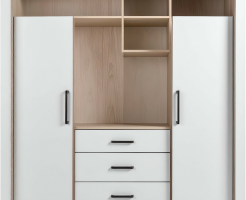
Plywood is one of the most popular wardrobe materials due to its balance of strength, affordability, and resistance to bending. It works well for both modular and custom wardrobes.
MDF (Medium-Density Fibreboard)
MDF is a cost-effective option with a smooth surface suitable for painted finishes. However, it is less durable than plywood and not ideal for heavy storage.
Metal
Metal wardrobes are strong, moisture-resistant, and suitable for modern or industrial-style interiors. They perform well in humid environments but may lack warmth in appearance.
Laminated Boards
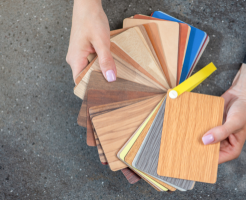
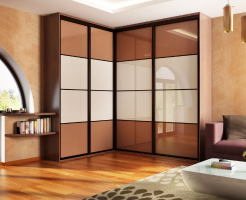
Laminates are used as surface finishes over base materials. They enhance appearance, protect the core material, and are available in many colours and textures.
How to Choose the Best Material for Wardrobe
When deciding on the best material, consider:
- Room size and layout
- Climate and humidity levels
- Storage requirements
- Budget constraints
- Desired design and finish
For heavy storage and long-term use, plywood or solid wood is ideal, while MDF suits lighter storage needs.
Buying Tips for Long-Lasting Wardrobes
- Measure the available space accurately
- Choose moisture-resistant materials for coastal or humid areas
- Opt for high-quality finishes for better durability
- Ensure proper ventilation inside the wardrobe
- Select designs that allow flexible storage options
Smart planning helps avoid future repairs and replacements.
Frequently Asked Questions (FAQs)
1.Which is the best material for a long-lasting wardrobe?
Plywood and solid wood are considered the most durable materials for wardrobes.
2.Is MDF suitable for wardrobes?
MDF works well for budget wardrobes with light storage but is not ideal for heavy loads.
3.Are metal wardrobes a good option for homes?
Yes, metal wardrobes are strong and moisture-resistant, especially suitable for humid regions.
4.Does laminate improve wardrobe durability?
Laminates protect the surface and improve appearance but do not replace the strength of the base material.
5.What material requires the least maintenance?
Metal and laminated plywood wardrobes generally require minimal maintenance.
Conclusion
Choosing the best material for wardrobe storage is key to ensuring durability, functionality, and visual appeal. Whether you prefer the strength of plywood, the elegance of solid wood, or the practicality of metal, the right choice depends on your needs, budget, and living conditions.
For expert guidance on wardrobe materials, space planning, and property-related solutions, Zlendo Realty offers professional support to help you make informed and long-lasting decisions for your home.
Disclaimer
The information provided in this blog is intended for general reference only. Material performance, durability, cost, and suitability may vary based on product quality, installation methods, and environmental conditions. This content does not substitute professional interior design or construction advice. Readers are advised to consult qualified professionals before finalizing wardrobe materials or designs.

A passionate content writer and digital marketer skilled in creating engaging, SEO-driven content that boosts online visibility and brand growth.